How to Research Refrigerated Freight Lanes Before Outreach
A lane worksheet for seasonality, temperature controls, loading, and service failure cost.
What should a seller learn about a refrigerated lane before proposing capacity? Start with observable operating evidence, then test whether the account has a problem your team can solve, a credible path to the people who own that problem, and enough commercial fit to justify a pursued opportunity. The aim is not to create a large list. It is to give a logistics seller a disciplined reason to work one account before another.
Major takeaways
- A company name and a broad industry code are not enough to qualify an account.
- Good account research links an operating condition to a specific stakeholder and next question.
- The first call should confirm evidence, not repeat facts that were available before outreach.
- A disqualifying fact is useful because it keeps sellers from forcing a poor fit.
Start with the operating question
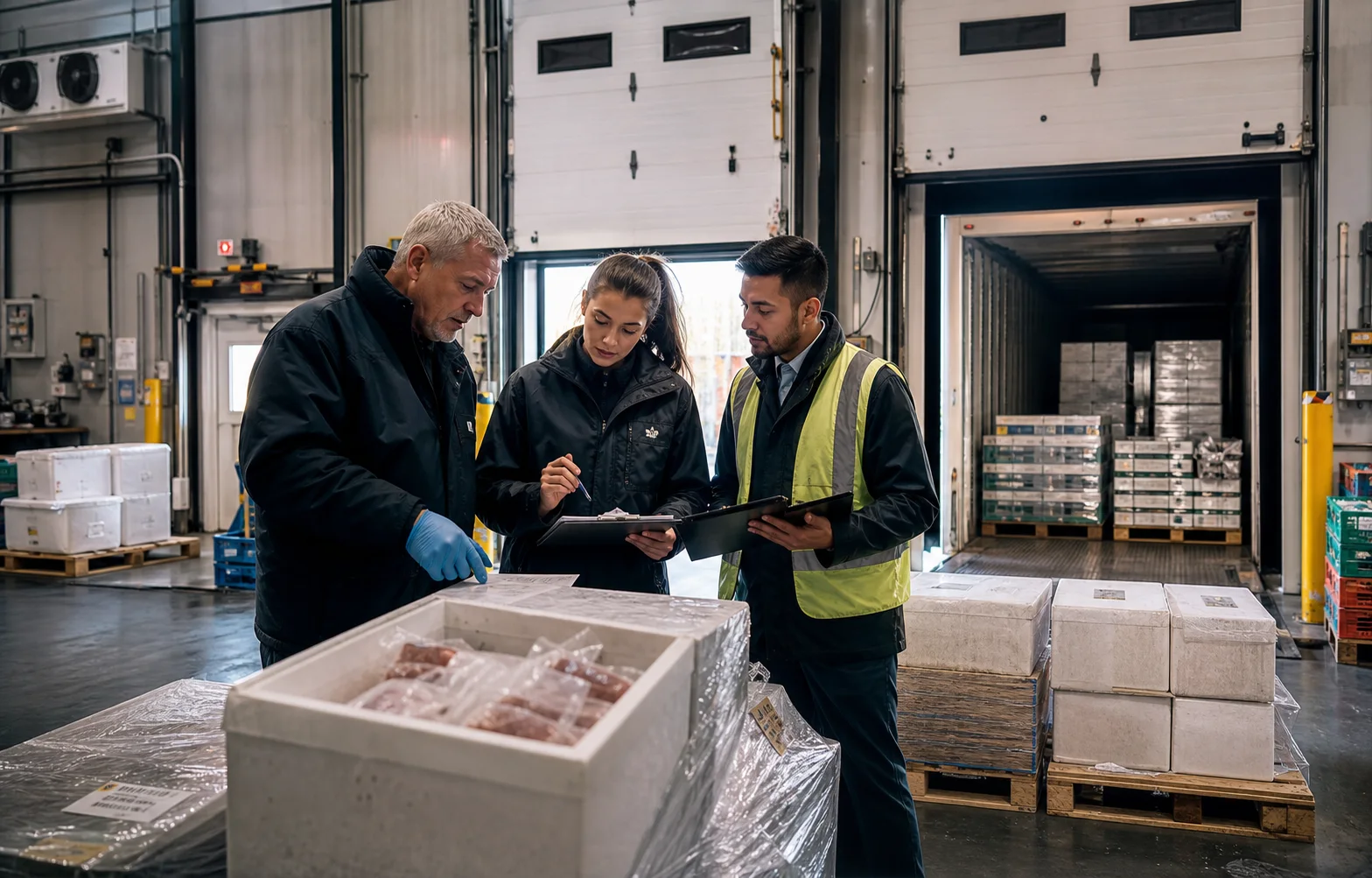
The working question is simple: What should a seller learn about a refrigerated lane before proposing capacity? Build the answer from the account's physical operation, not from generic firmographic filters. Look for sites, products, lanes, service promises, announced changes, regulatory obligations, customer concentration, and visible supply-chain dependencies. Those details show what freight or logistics work must happen every day.
Separate observation from assumption. A public facility address may support a hypothesis about distribution geography. It does not prove freight volume, provider dissatisfaction, contract timing, or a willingness to change. Mark each conclusion as confirmed, probable, or unknown. That distinction gives the seller a more credible opening and gives a manager a clean view of what research is still required.
Map the people who can change the decision
The person who answers an introductory message is rarely the full buying committee. In logistics, the daily operator may feel the service issue, procurement may control a bid process, finance may review cost exposure, and a senior leader may decide whether a network change has enough value to fund. Quality, safety, trade compliance, IT, or plant leadership can be decisive when the freight profile creates a specialized risk.
Build a contact path around roles rather than titles alone. Identify the operational owner who can explain the current process, the commercial owner who can authorize a provider review, and any risk or technical reviewer who can stop a decision. An account with one named contact is a lead. An account with a plausible stakeholder path and a hypothesis worth testing is a prospect.
Turn research into a first conversation
A useful first message names the operating context without pretending to know the outcome. For example, refer to a facility expansion, a lane pattern, a product handling requirement, or a network change and ask how the team is handling it today. Avoid claims about current providers, volume, pricing, or performance unless the account has confirmed them.
The first call should seek a compact set of answers: what has changed, who owns the resulting work, what failure looks like, when a decision could occur, and what evidence would make a new provider credible. If the account cannot describe a current problem or a near-term decision path, keep it in research or nurture rather than labeling it active pipeline.
Reefer lane research worksheet
Use this reefer lane research worksheet during account review. It is deliberately small enough for a sales manager to inspect, but specific enough to expose missing evidence.
| Field | What to capture | Why it changes the pursuit |
|---|---|---|
| Operating evidence | The facilities, lanes, products, or workflow tied to refrigerated freight lane research | Confirms that the account has the operating condition behind the outreach |
| Buying trigger | A change, constraint, renewal, service issue, or expansion to investigate | Gives the first conversation a reason to exist |
| Stakeholder path | The operator, economic owner, procurement contact, and technical or quality reviewer | Prevents a single-contact account plan |
| Service fit | Where the provider can credibly help and where it should not make a claim | Keeps qualification honest |
| Next proof | The document, public source, referral, or discovery answer needed next | Turns research into a clear next action |
For this question, a lane worksheet for seasonality, temperature controls, loading, and service failure cost. Do not score an account as ready because it matches an industry label. Score it when the available evidence describes a plausible operating problem and a reachable buying path.
Use authoritative sources correctly
The sources below help establish the regulatory and industry context for this guide. They are not a substitute for account-specific verification. Public filings, government registrations, port or facility notices, trade data, and a prospect's own materials can support a hypothesis. They cannot justify invented shipment volume, customer results, provider performance, or a claim that an account is in-market.
When a source concerns rules or public data, cite what it actually covers. If a requirement depends on a commodity, location, equipment type, or mode, bring that scope into discovery instead of generalizing it across the account. This is especially important when an article will later be indexed and read by operators who know the details.
Operating example
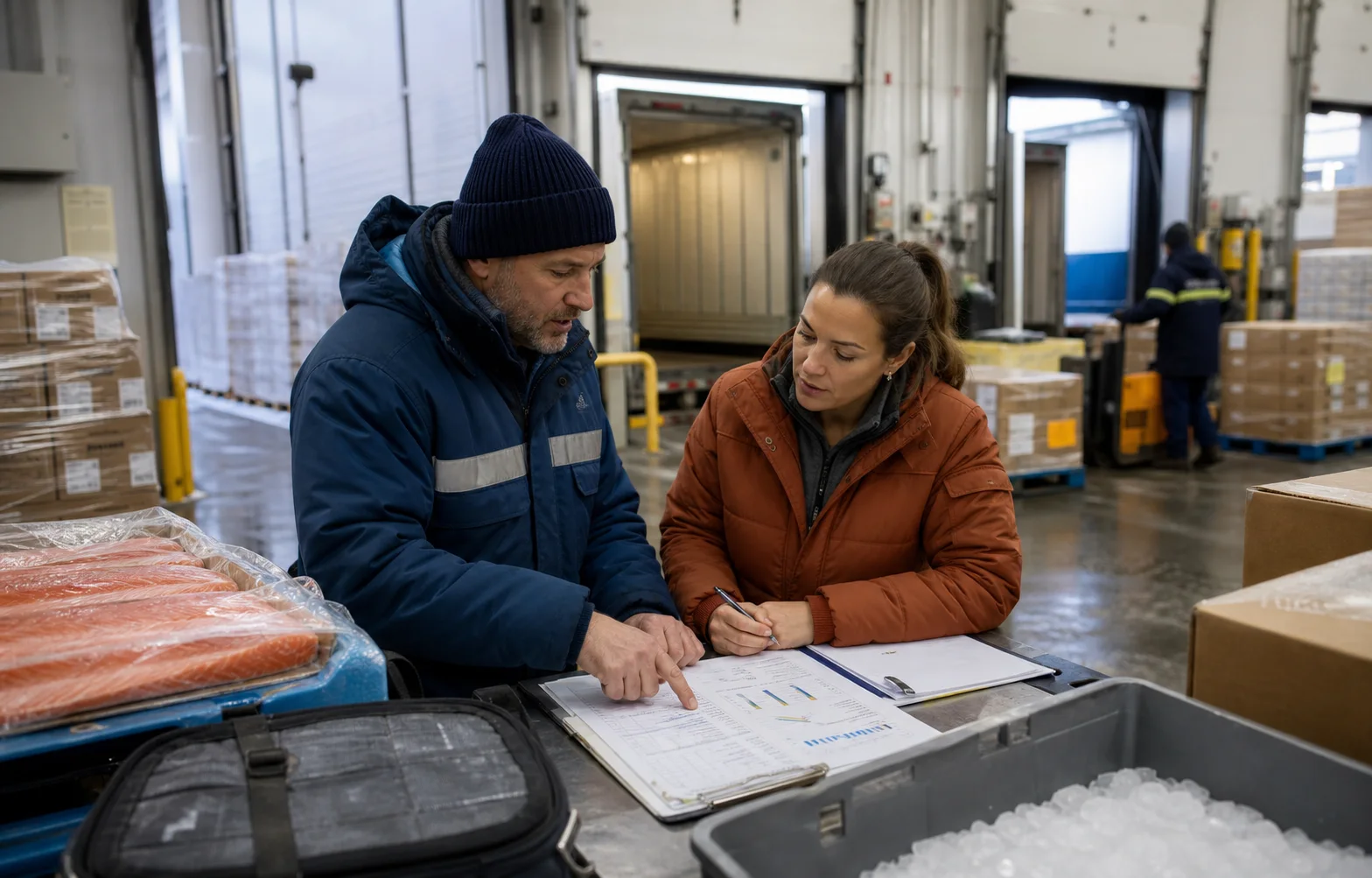
For temperature-controlled freight, distinguish the stated temperature requirement from handling, loading, appointment, claims, and product-quality constraints. A seller should ask which condition causes the greatest operational risk, then validate the service scope with the responsible operator. In a working review, write the example as a short sequence: the observable condition, the owner who can confirm it, the service or coverage question, and the fact that would stop the pursuit. That sequence keeps the team from treating a strong-looking account as a committed opportunity before the details are known.
A manager can use this section to ask a practical question: what would we need to learn next week to either advance the account or remove it from active focus? If the answer is unclear, assign the research or discovery action before the next review. This is how the playbook stays tied to the account rather than becoming a checklist completed for its own sake.
Limitations
This guide is an account-development framework, not legal, safety, customs, food-safety, or procurement advice. A public signal can be stale, incomplete, or unrelated to the part of the business that buys transportation. Sales teams should check current requirements with qualified internal or external specialists when a pursuit turns on a regulatory obligation.
Where Lazio fits
Lazio helps logistics revenue teams turn scattered market evidence into a usable account plan: target accounts, decision-maker paths, research notes, and a next action that a seller can defend. The right use is to make the rep more prepared before the conversation, not to replace the judgment required to qualify a complex operating account.
Lazio Partners
Published November 18, 2025